
 Buy Japanese cars from home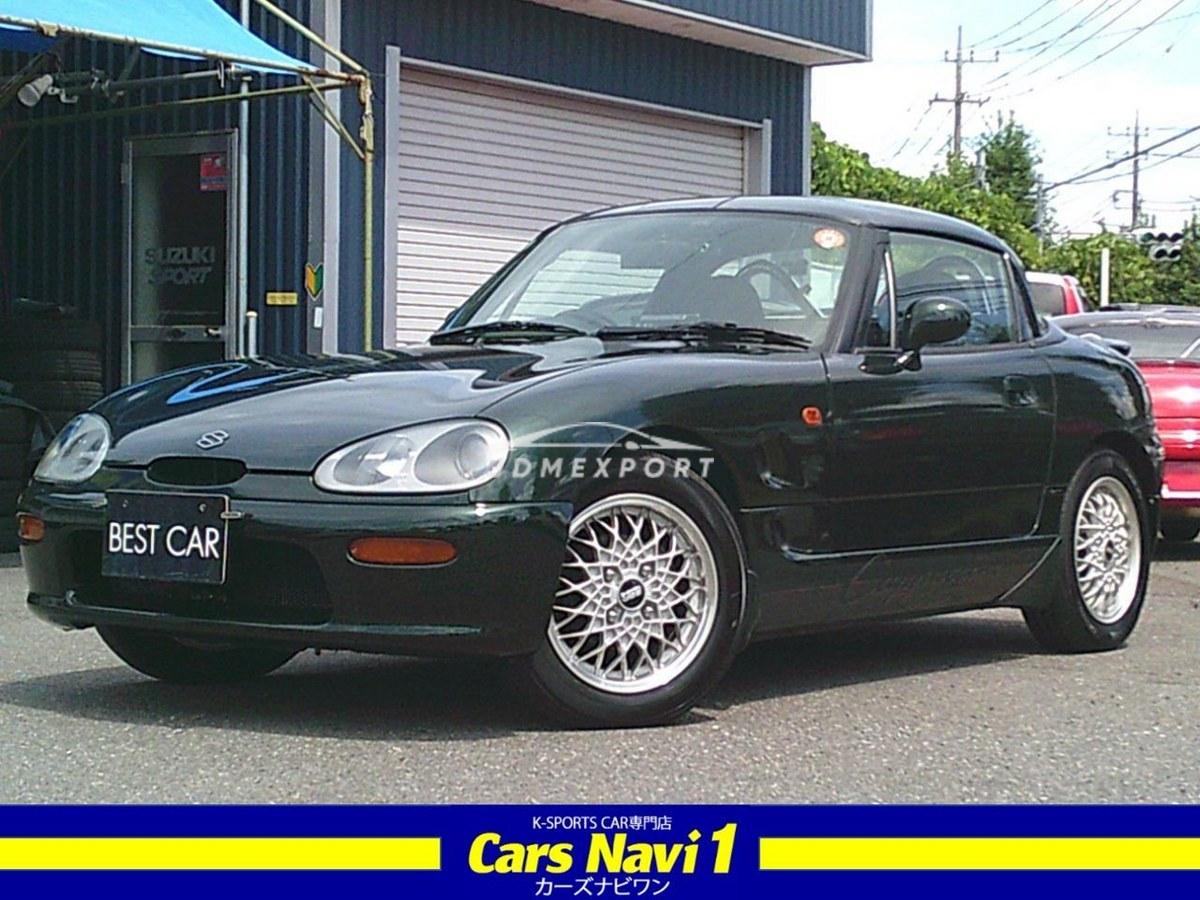
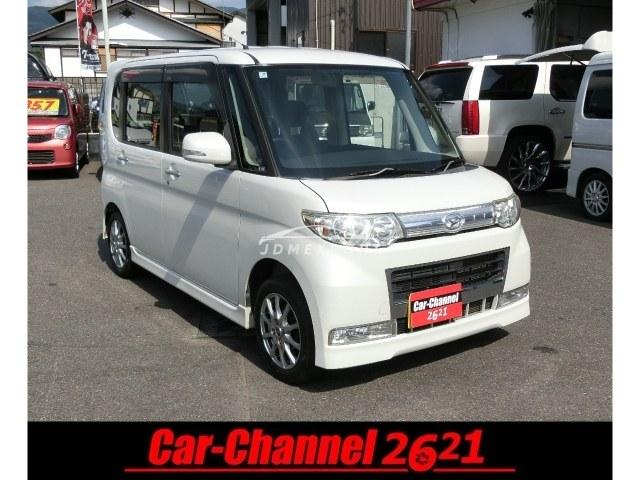

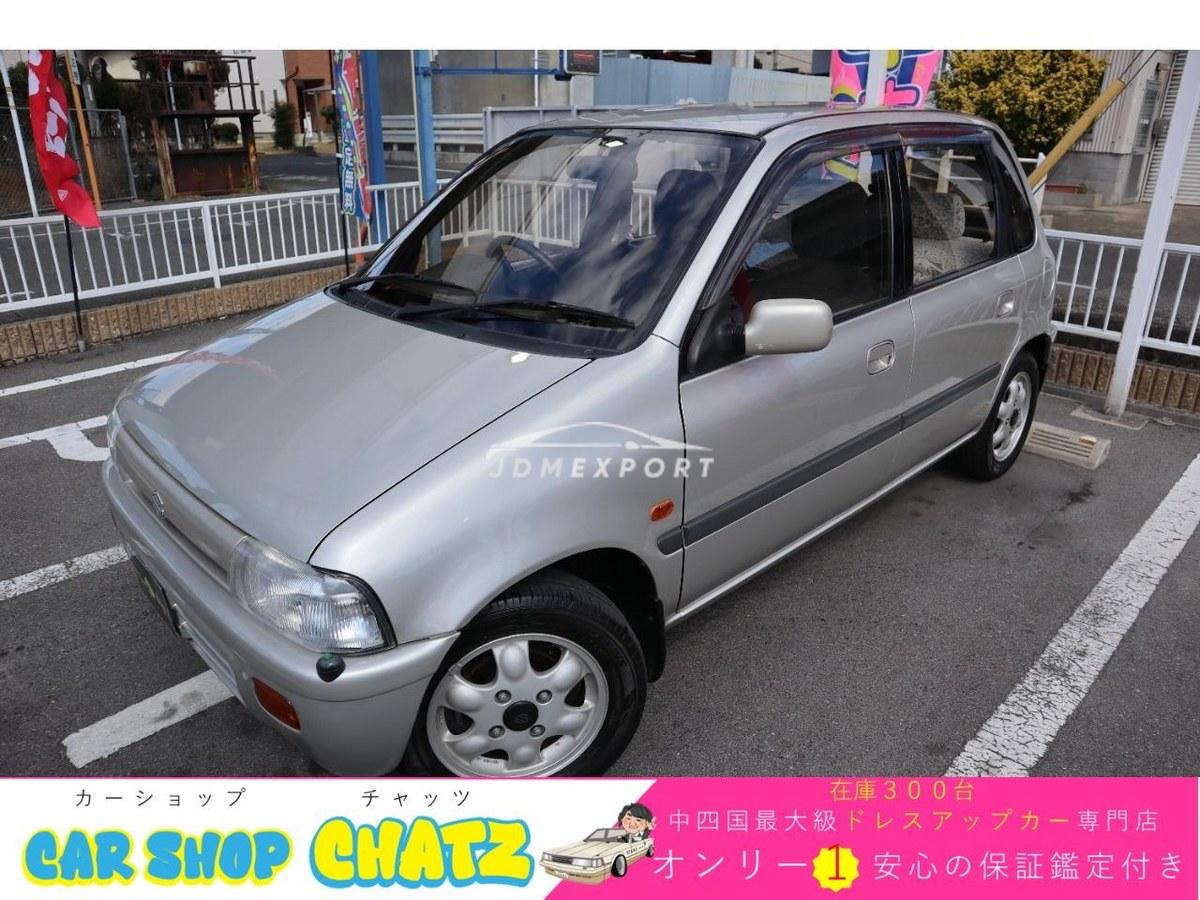
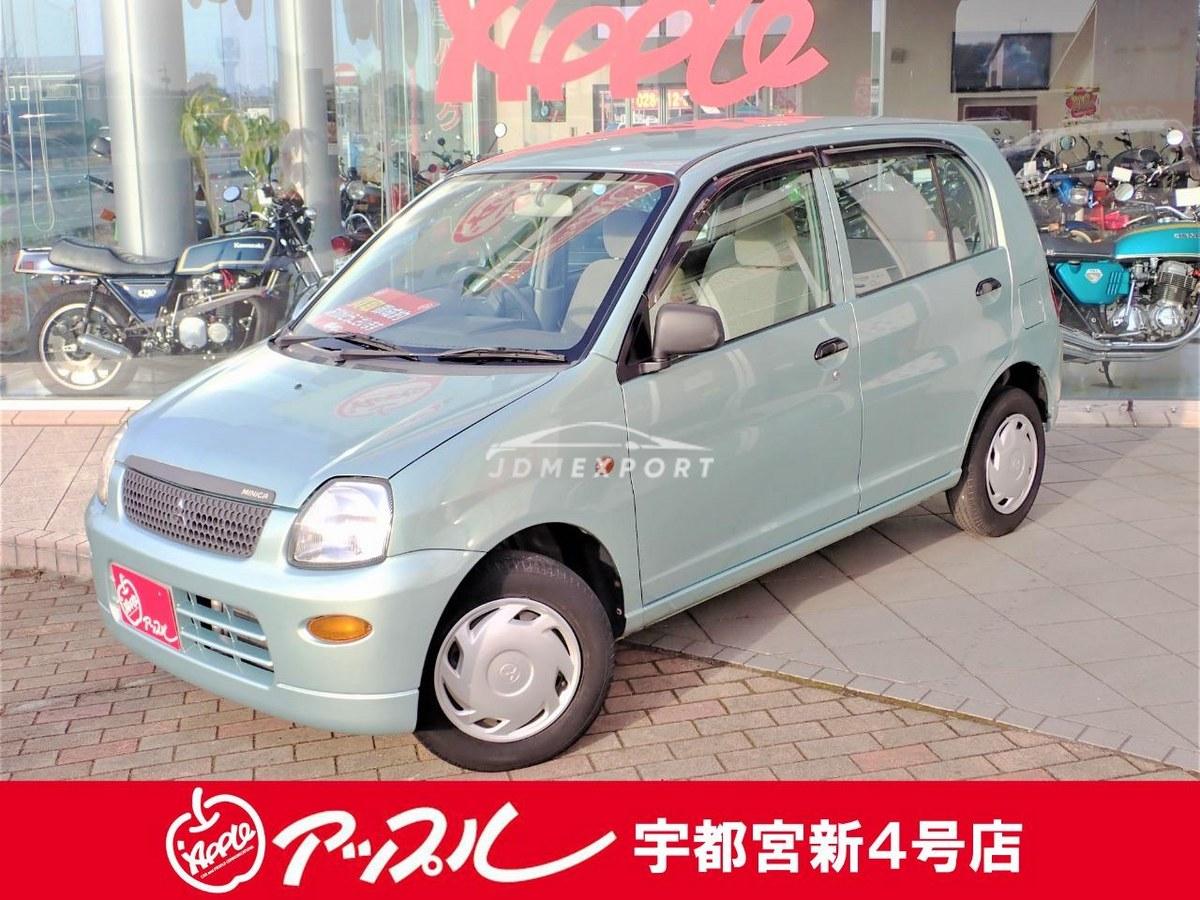
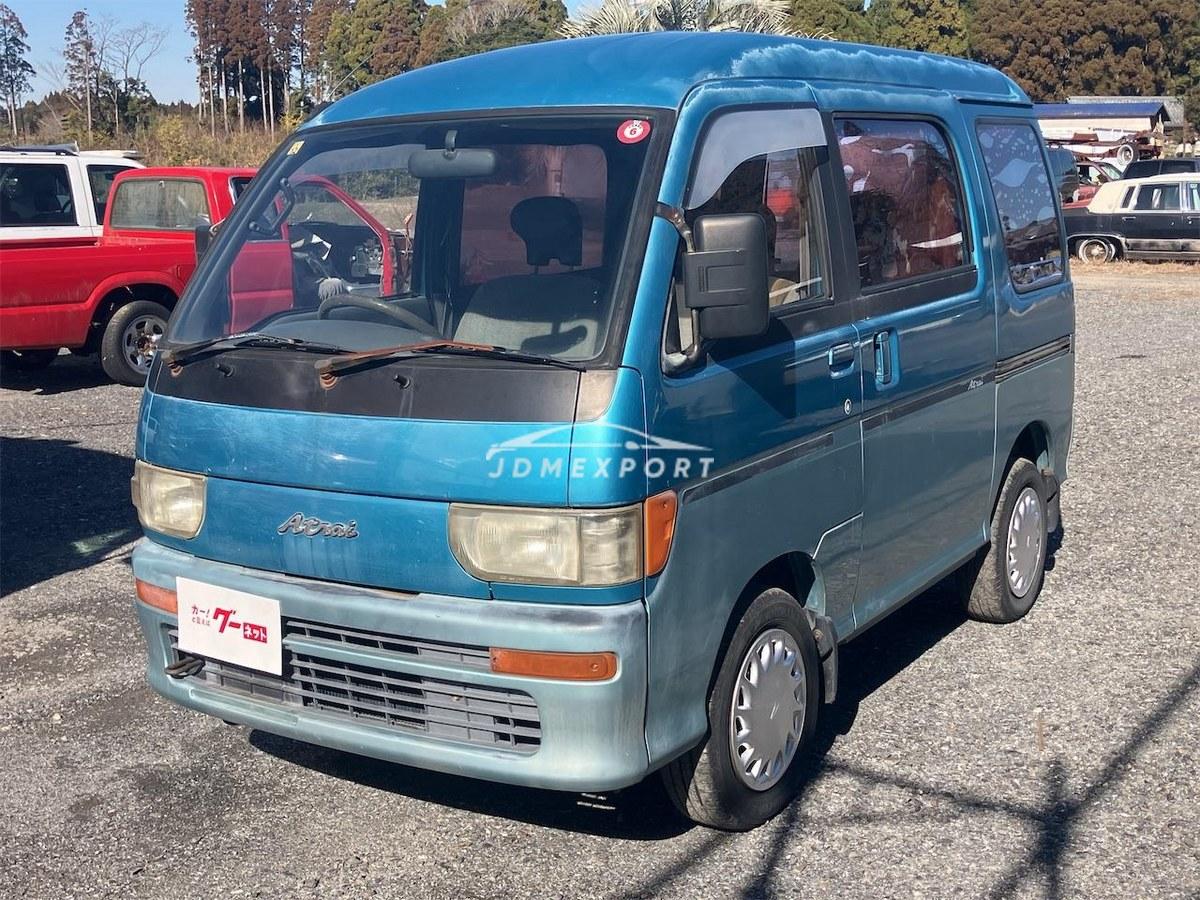
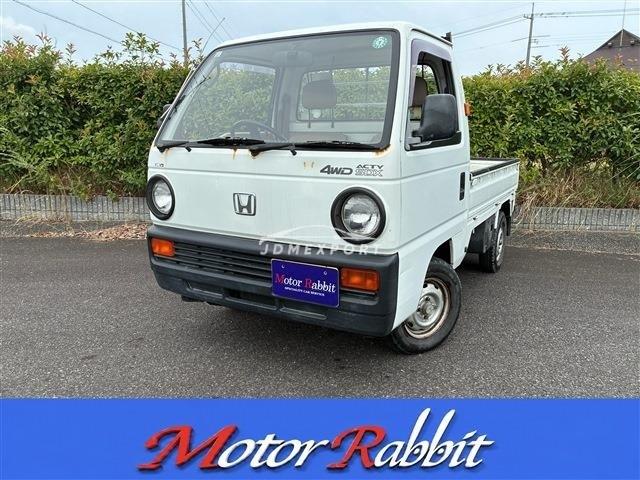
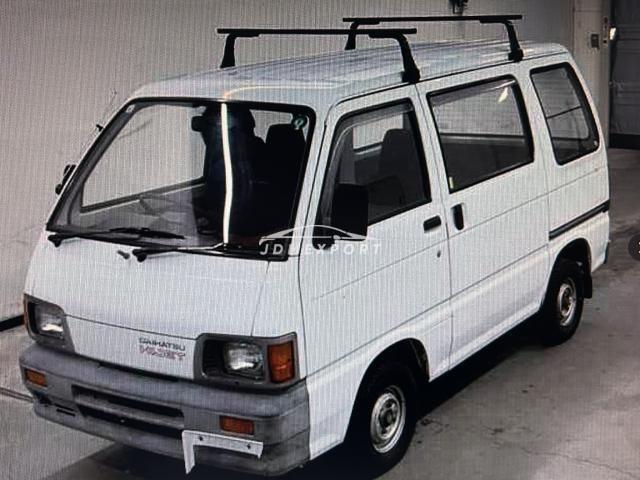
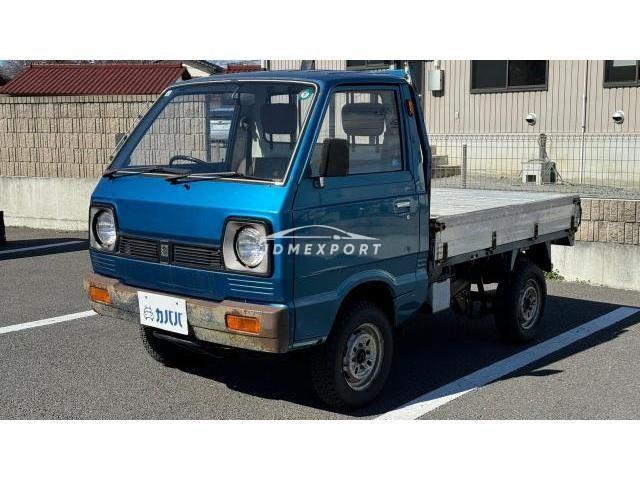
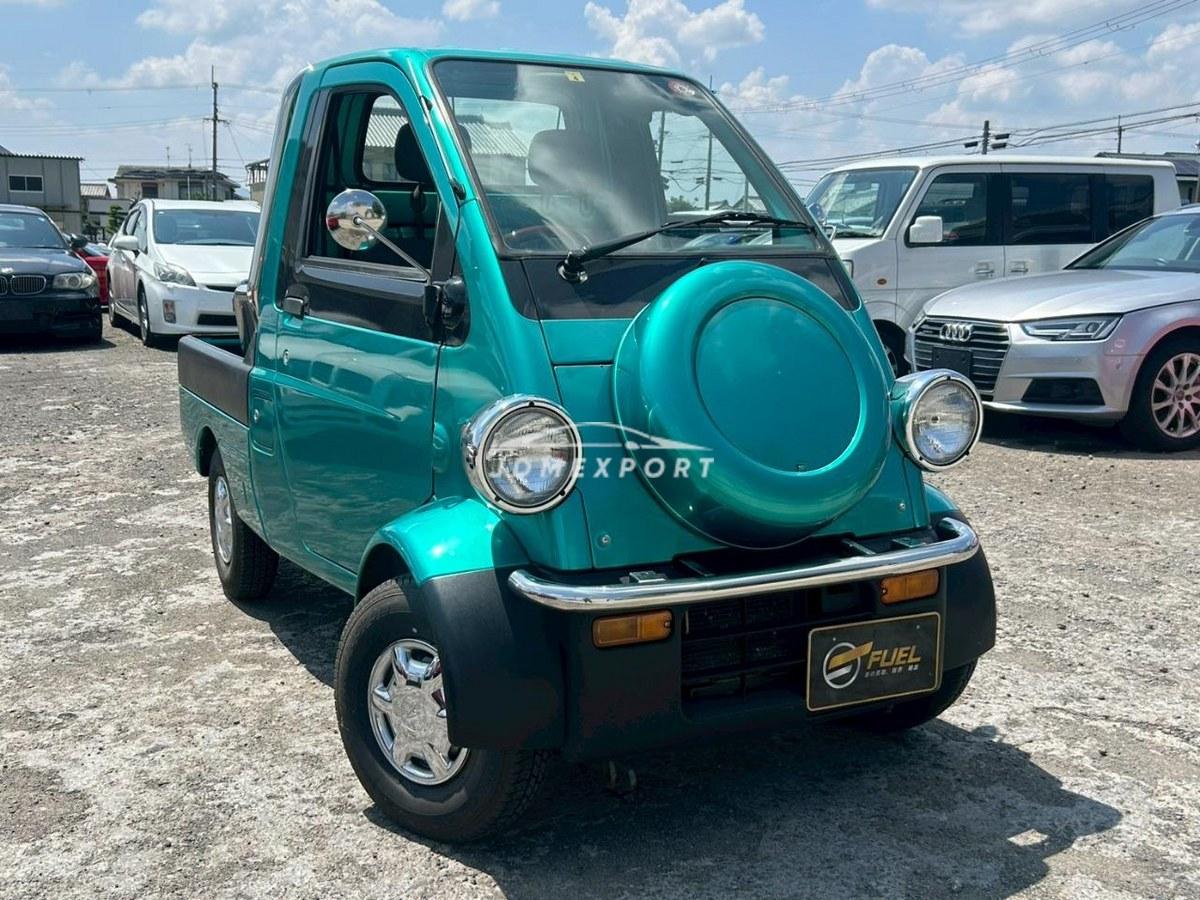
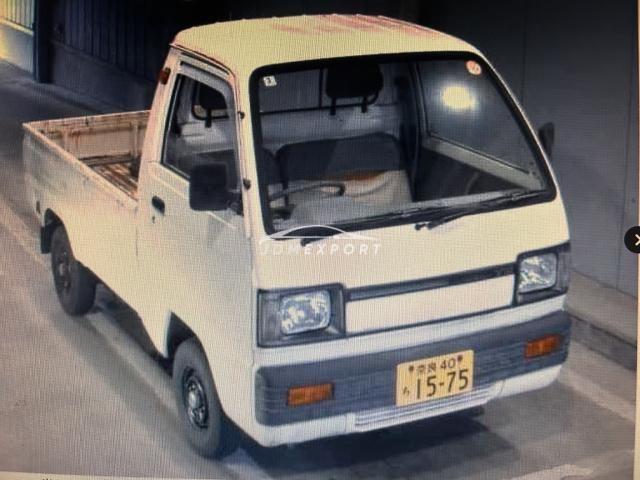
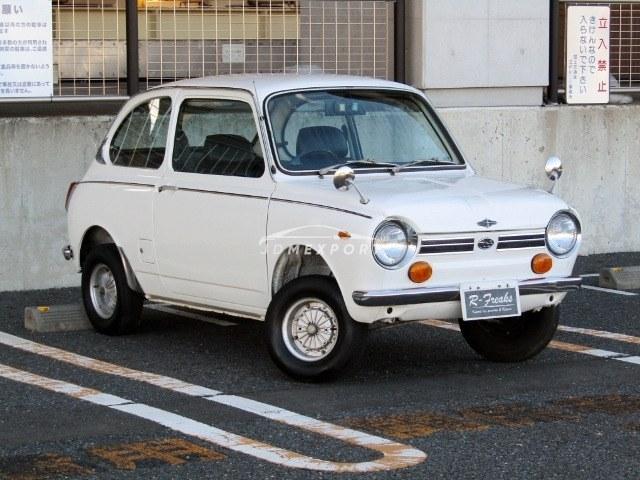
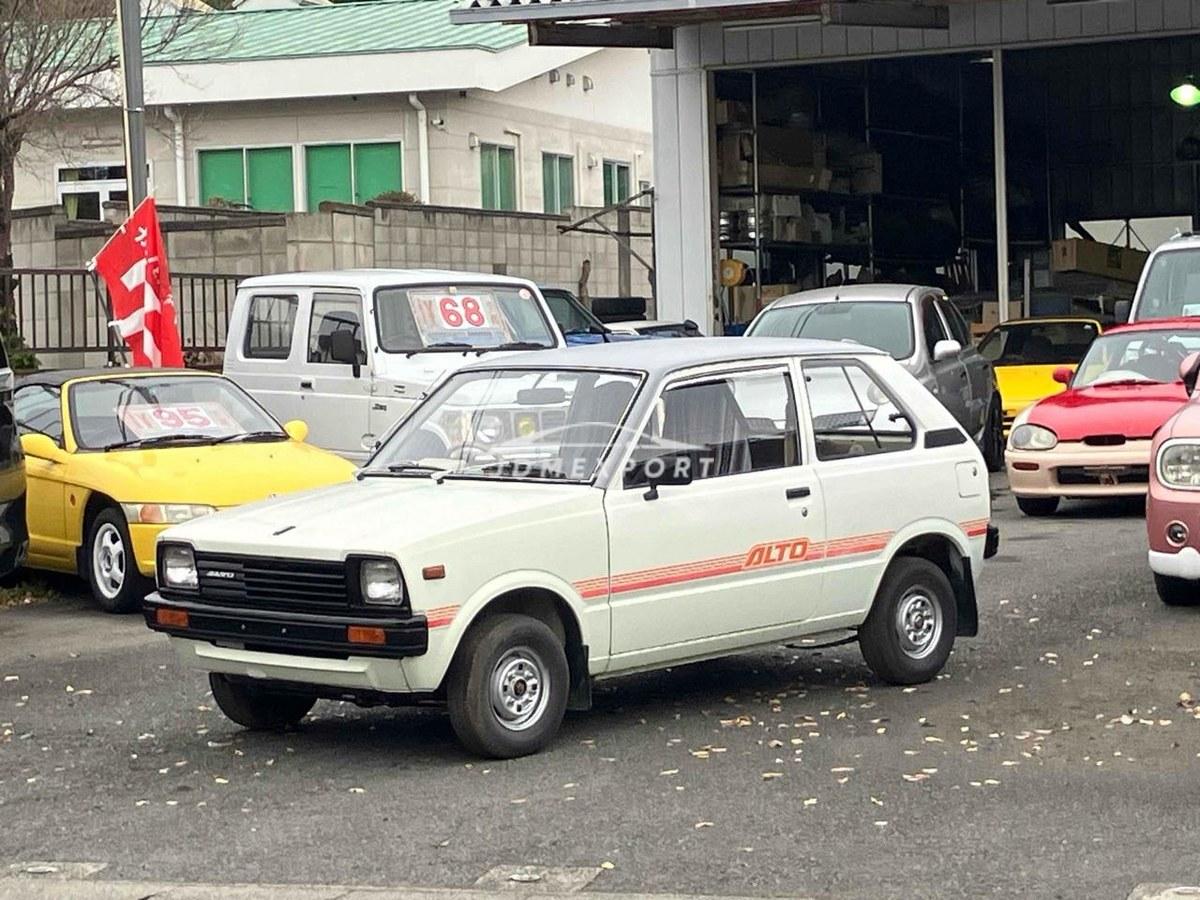
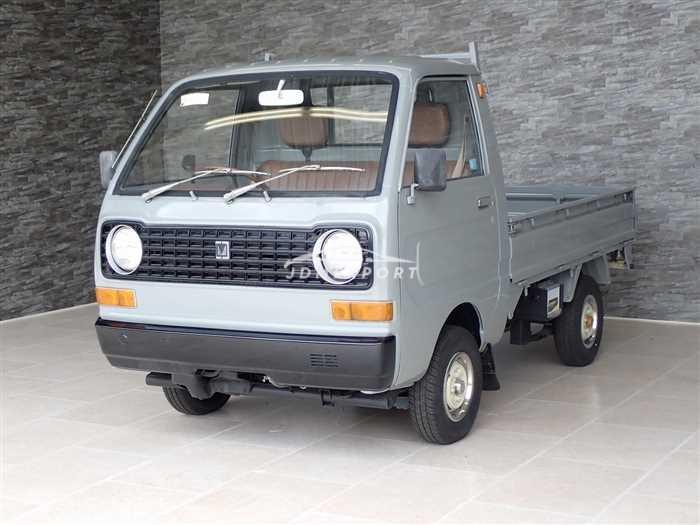
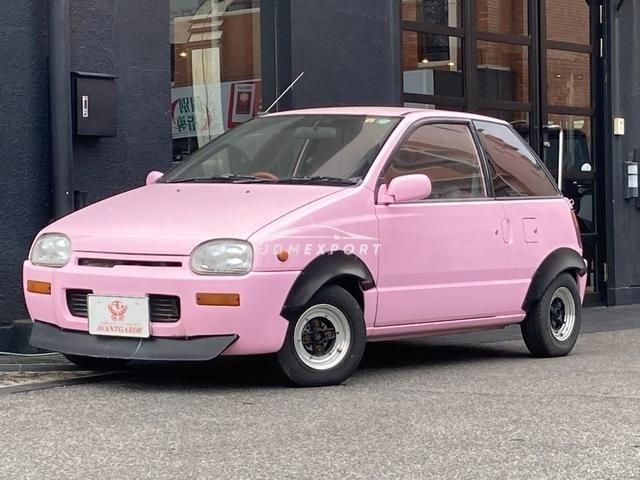
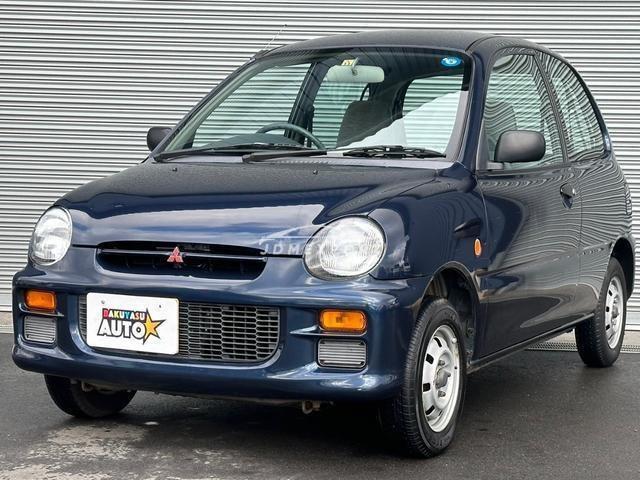
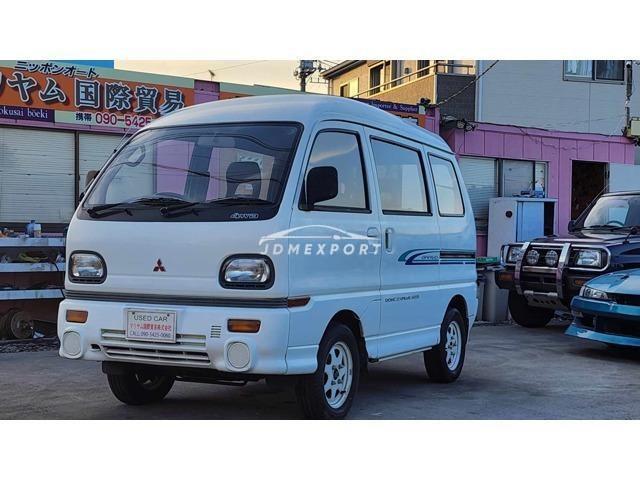
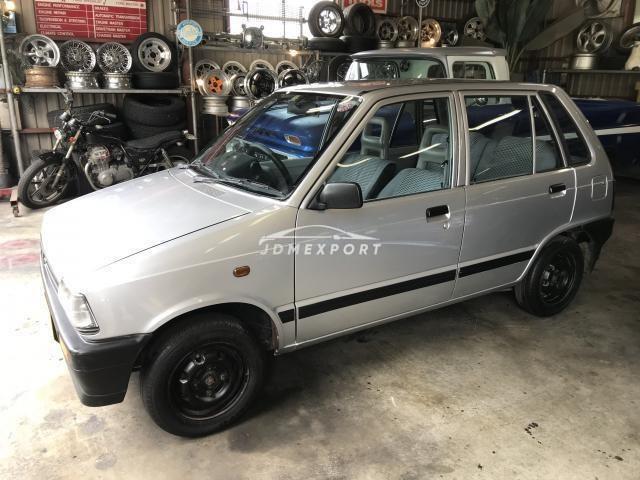
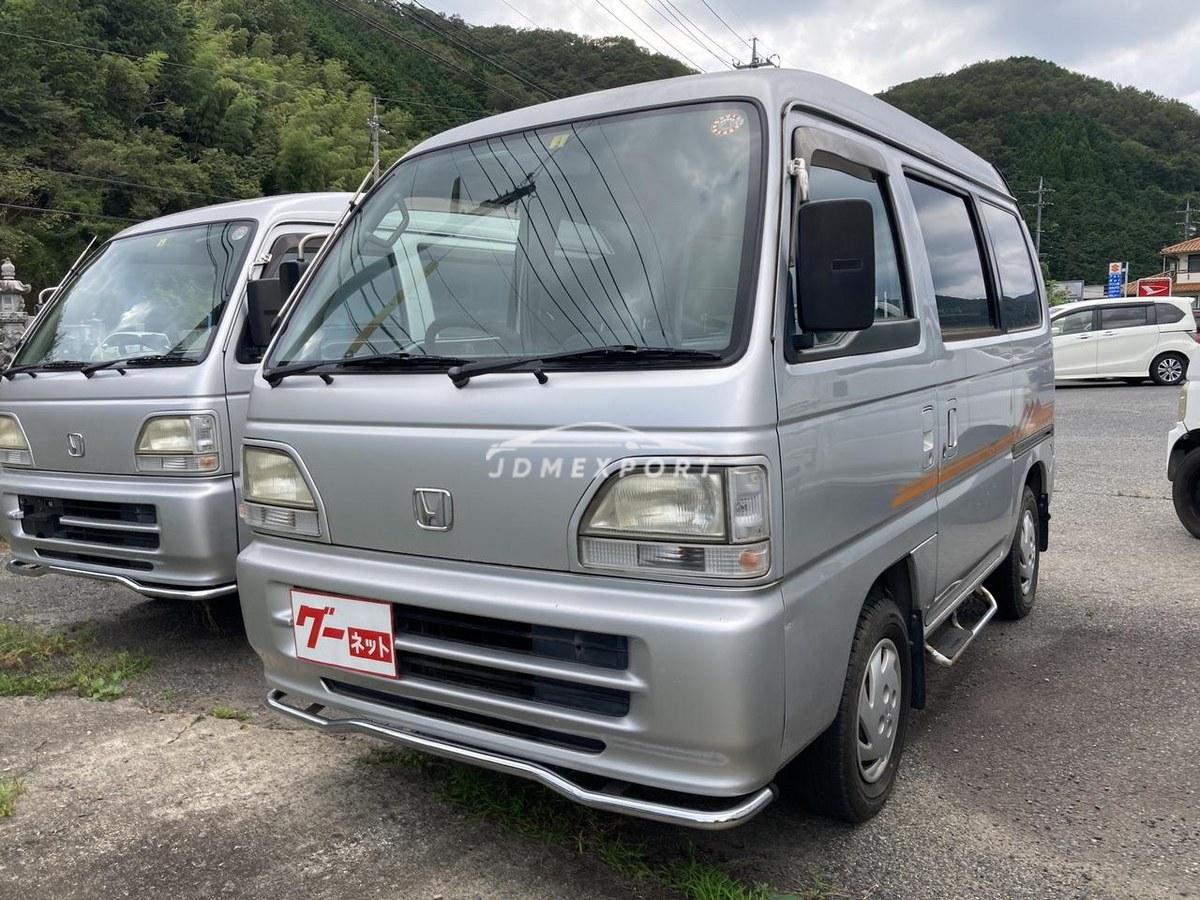
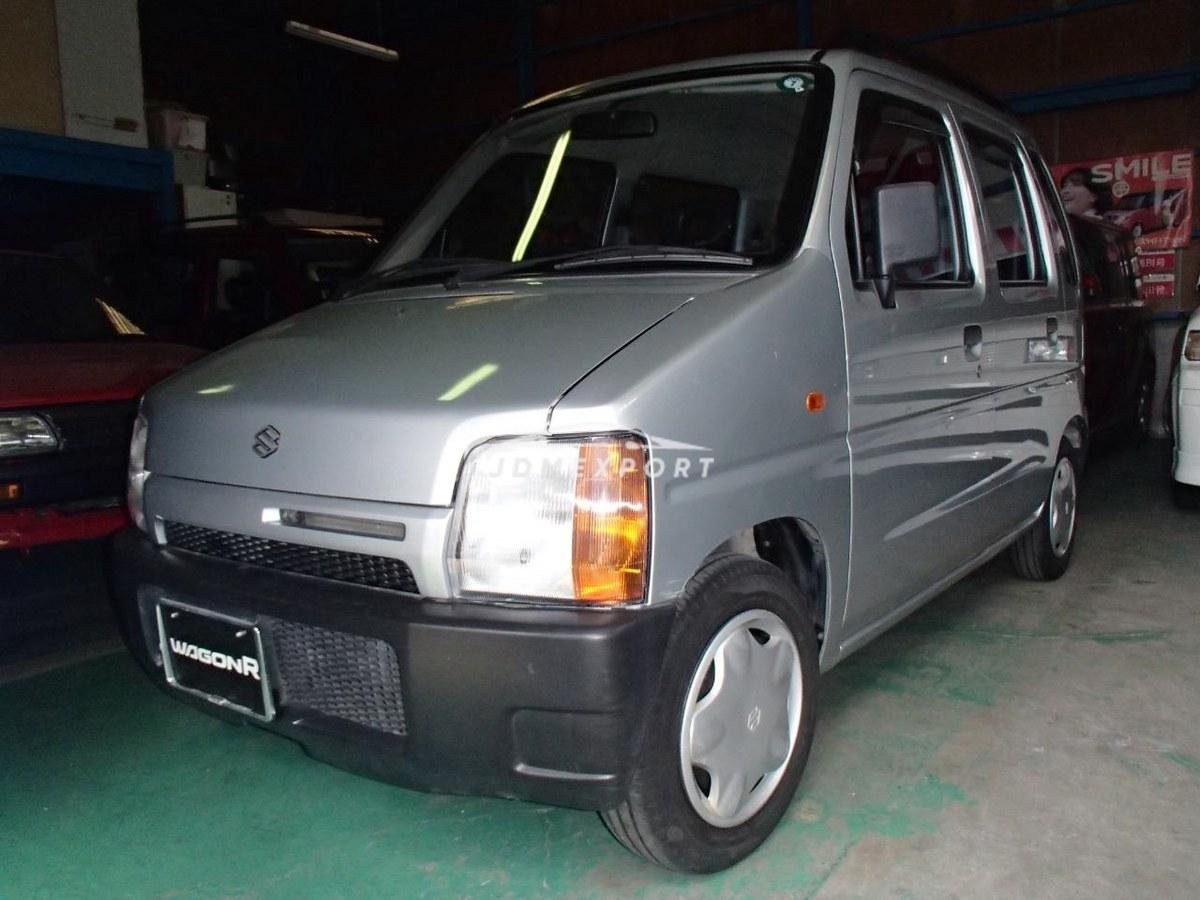
If you park a modern mid-size sedan next to a Japanese kei car, the sedan looks like a boat. But step inside one of these mini Japanese imports, and the first thing you notice is how much room you actually have. Japanese designers spent decades mastering interior space, squeezing every millimeter out of a small frame. You get an affordable, fuel-efficient daily driver that handles tight city corners with ease.
The Secret Behind Japan’s Tiny, Clever Cars
In Japan, a kei car (short for keijidousha, or light vehicle) is a distinct class of ultra-compact automobiles built to strict government limits. To qualify, these cars must stay under 3.4 meters long, 1.48 meters wide, and run an engine no larger than 660cc.
Instead of building cramped economy cars, Japanese automakers turned these harsh limits into a masterclass in packaging. The result is a category of small, clever vehicles packed with standout features:
- Shocking interior room: By pushing the wheels to the extreme corners, raising rooflines, and flattening floorboards, these cars offer head and legroom that rivals much larger crossovers.
- Maximized cargo space: High seating positions give you great visibility, while seats fold entirely flat to turn a simple commuter into a mini cargo carrier.
- Affordable running costs: The lightweight frames and efficient 660cc engines sip fuel, making them remarkably cheap to run and maintain.
- Effortless parking: Their small footprint lets you zip through tight traffic, navigate narrow driveways, and slip into parking spots standard cars have to pass up.
Simply put, they offer all the practical utility of a full-size car without any of the extra weight, bulk, or high gas bills.
Iconic Japanese Kei Cars You Can Import
Beyond practical mini trucks and microvans, the kei class birthed some of Japan’s most thrilling sports cars and capable mini 4x4s. Japanese automakers used those strict size regulations to build high-revving roadsters, mid-engine coupes, and trail-ready SUVs that deliver massive personality in a compact frame.
Micro sports cars
During the early 1990s, Mazda, Honda, and Suzuki built a legendary trio of lightweight, high-revving sports cars strictly within kei dimensions:
- Mazda Autozam AZ-1
The most radical of the trio. Designed around a lightweight mid-engine chassis with a turbocharged 660cc engine, the AZ-1 stands out instantly for its dramatic gullwing doors and aggressive supercar styling in miniature.
- Honda Beat
Mid-engined and rear-wheel drive, the Honda Beat relies on a high-revving, naturally aspirated 3-cylinder engine featuring Honda’s MTREC individual throttle body system. It delivers go-kart handling and pure open-top driving fun up to its 8,500 RPM redline.
- Suzuki Cappuccino
A classic front-engine, rear-wheel-drive roadster with perfect 50:50 weight distribution. Powered by a punchy turbocharged engine, its best trick is a versatile removable roof that converts from a hardtop to a targa or a full convertible.
Off-road micro SUVs
If you prefer dirt trails and snow over track days, Japan built micro-SUVs on full ladder frames that rival full-sized 4x4s in tough terrain:
- Suzuki Jimny
The undisputed king of mini off-roaders. Featuring a rigid ladder frame, solid axles, and a true low-range 4WD transfer case, the Jimny is legendary for crawling through trails where heavier trucks get stuck.
- Mitsubishi Pajero Mini
Built to capture the iconic styling of Mitsubishi’s Dakar Rally winner, the Pajero Mini offers a surprisingly comfortable ride with selectable 4WD and optional turbocharged power, making it an excellent dual-purpose daily driver and trail explorer.
Import a Kei Car to the US: What You Need to Know
Importing a Japanese kei car into the United States comes down to three main steps: federal rules, port entry paperwork, and your state's registration requirements.
1. Federal 25-Year Exemption Rule
Under U.S. Department of Transportation (DOT) and Environmental Protection Agency (EPA) regulations, any vehicle that is at least 25 years old is fully exempt from Federal Motor Vehicle Safety Standards (FMVSS) and federal emissions testing.
Note: Age is based on the exact month and year of manufacture, not just the model year.
2. Customs Paperwork & Fees
When your car arrives at a U.S. port, U.S. Customs and Border Protection (CBP) processes the entry. You or your customs broker must submit two key federal declaration forms claiming the age exemption: DOT Form HS-7 (checking Box 1 for the 25-year safety exemption). EPA Form 3520-1 (claiming code E for the age exemption). A standard 2.5% import duty (based on the purchase value) applies to passenger vehicles at customs.
3. State DMV Registration
Federal clearance allows the car into the country, but your local state DMV decides whether you can drive it on public roads. Most states title and plate 25-year-old imports normally, but a few have special restrictions for right-hand-drive or mini vehicles. Always confirm your local DMV rules before finalizing your purchase.
Navigating these steps ensures your vehicle enters the country 100% legally without administrative delays at the port.
Why Source Your Kei Car with JDM Export
Buying a vehicle from overseas is a big step, and having straightforward, honest information makes all the difference. We keep the import process clear and grounded so you always know what to expect.
- Clear quotes: We break down costs upfront by combining the car's price with estimated ocean freight, helping you plan your budget without surprises later.
- Detailed car specs & Photos: To give you a realistic view of each car, we provide clear photos of the exterior, cabin, and undercarriage, along with the reported mileage on the odometer.
- Straightforward purchase terms: We maintain simple order guidelines and fair cancellation policies to protect your money throughout the buying process.
- Export & Shipping support: We handle all necessary Japanese export documentation and arrange vessel booking so your vehicle gets safely onto the ship and on its way to your port.
Our goal is simply to make finding and bringing home a Japanese kei car as smooth and dependable as possible.
Ready to find your next JDM import? Browse our current inventory today or reach out to our team to get a clear shipping estimate for your favorite kei car.